Tel: +86 139 0589 5606
E-mail:info@globri.com

Tel: +86 139 0589 5606
E-mail:info@globri.com
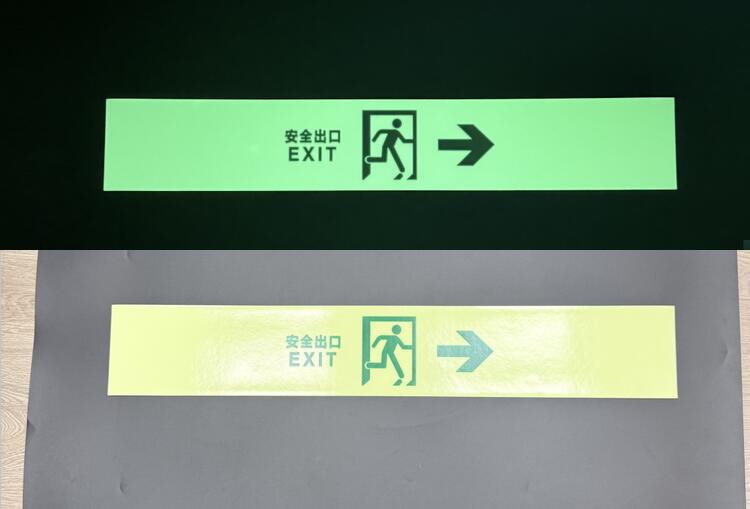
Proper material selection enables photoluminescent evacuation indicators to glow autonomously for over 10 hours in darkness after one single light charging cycle. In contrast, improper material choices only deliver a short luminescence period of 10 to 40 minutes. Hence, material selection stands as the core consideration when purchasing photoluminescent evacuation signs.
Photoluminescent signs are zero-energy and zero-carbon products that store light from natural daylight and ambient artificial lighting, then emit light independently in dark conditions. Three mainstream types are available on the market: inorganic self-luminous signs, organic coil-based self-luminous signs, and organic photoluminescent film signs. They differ markedly in raw materials, physical properties and luminescence duration. Drawing on years of manufacturing experience, Globright, a professional self-luminous material manufacturer, delivers a professional analysis covering material composition, performance and glowing lifespan.
Classified by raw material systems, photoluminescent evacuation signs fall into two major categories: inorganic self-luminous materials and organic self-luminous materials, each with distinct merits and drawbacks in performance and luminous effect.
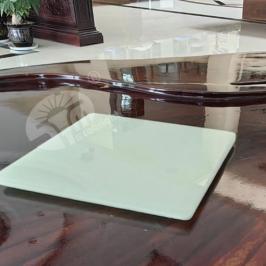
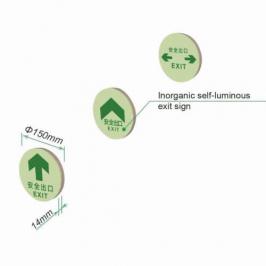
Fabricated from multiple inorganic minerals via integrated high-temperature sintering above 1,000°C, the patterns, texts and colors are sintered together with the base substrate in one heating process.
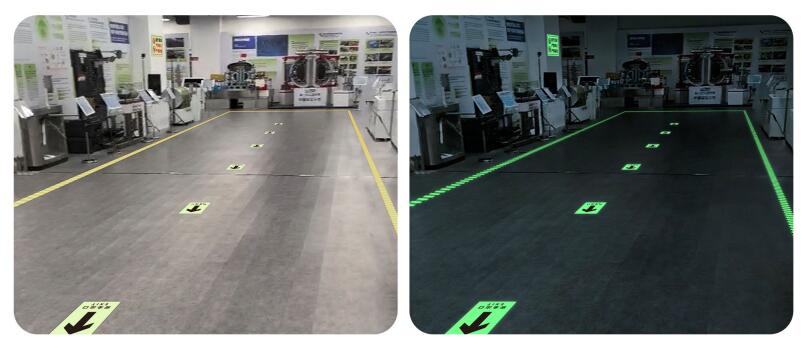
Featuring high hardness and exceptional wear resistance, the material also boasts anti-aging, anti-corrosion and water immersion resistance. The printed patterns and surface colors never fade over long-term service. It delivers stable optical performance and continuous luminescence exceeding 10 hours after effective light absorption. Such signs are suitable for regular installation both indoors and exposed outdoor environments.
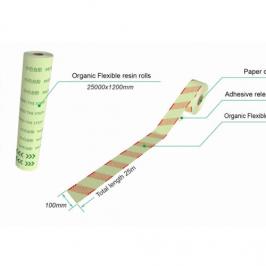
These are split into two product forms: organic self-luminous coils and organic photoluminescent films. Both types of evacuation guidance signs support customized patterns and texts via UV printing upon demand.
Organic self-luminous coils: Made of high-molecular organic resin as the base compounded with long-acting light-storing luminous powder to form flexible coil materials. They meet the national Class B1 flame-retardant standard. Floor-special variants are fitted with an extra wear-resistant protective layer, and can glow for more than 10 hours after light storage. Restricted by the inherent properties of organic substrates, they are more applicable to indoor scenarios. Prolonged exposure to direct outdoor sunlight will trigger aging and yellowing, accompanied by gradual degradation of luminous performance.
Organic photoluminescent films: Produced by mixing photoluminescent powder with polyester film substrates. They feature low procurement cost, soft texture and easy cutting, yet suffer poor wear resistance and belong to combustible materials. Their standard luminescence duration ranges from 10 to 40 minutes, with most products only glowing for roughly 20 minutes, failing to comply with specifications for long-duration emergency evacuation.
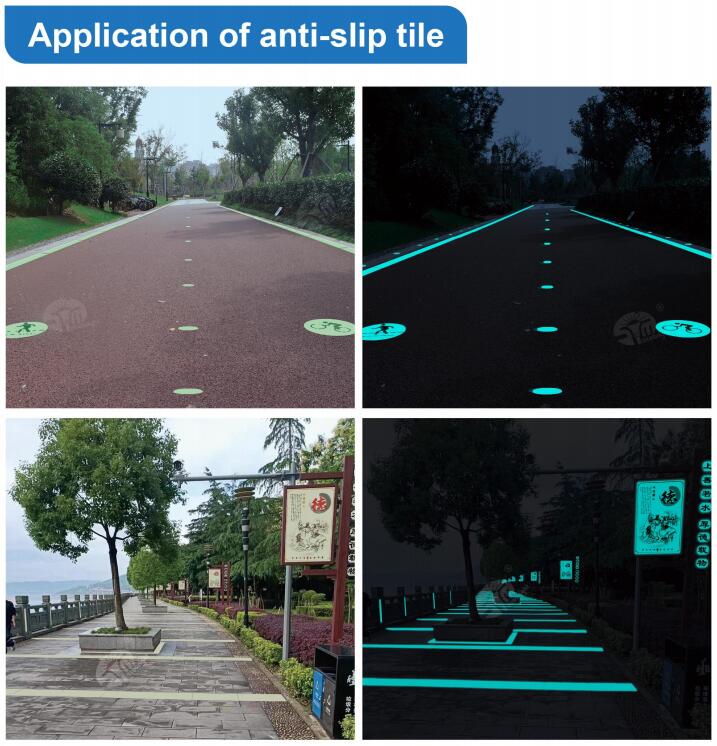
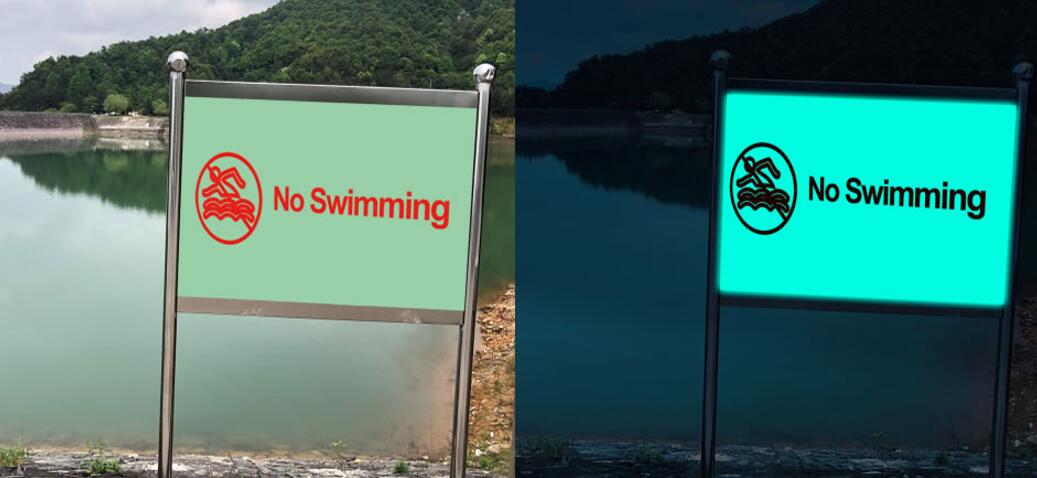
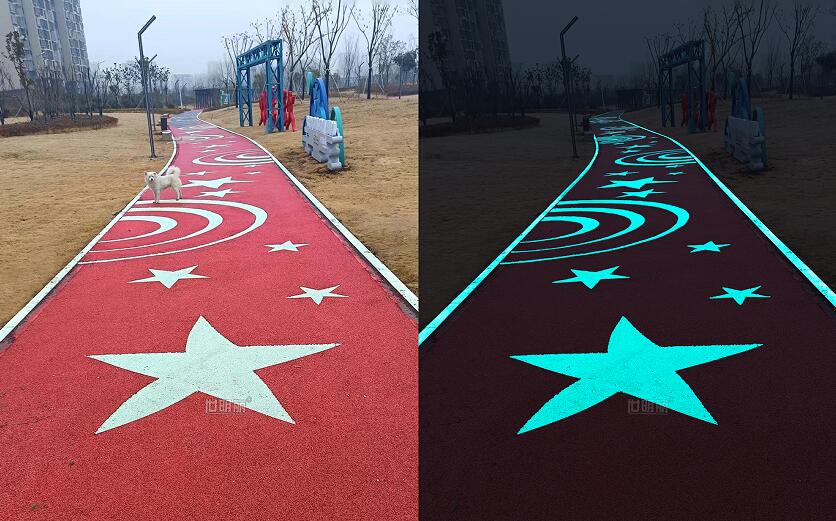
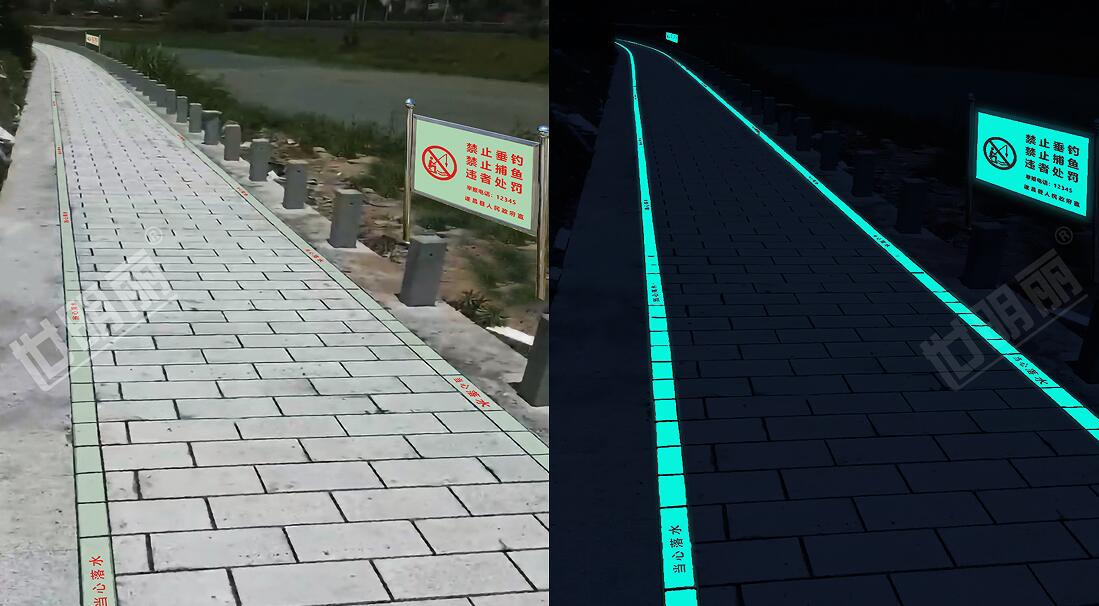
Benefiting from zero power consumption and passive light storage & luminescence, various photoluminescent indicators are widely deployed across diverse scenarios, fulfilling both nighttime safety guidance and landscape lighting functions.
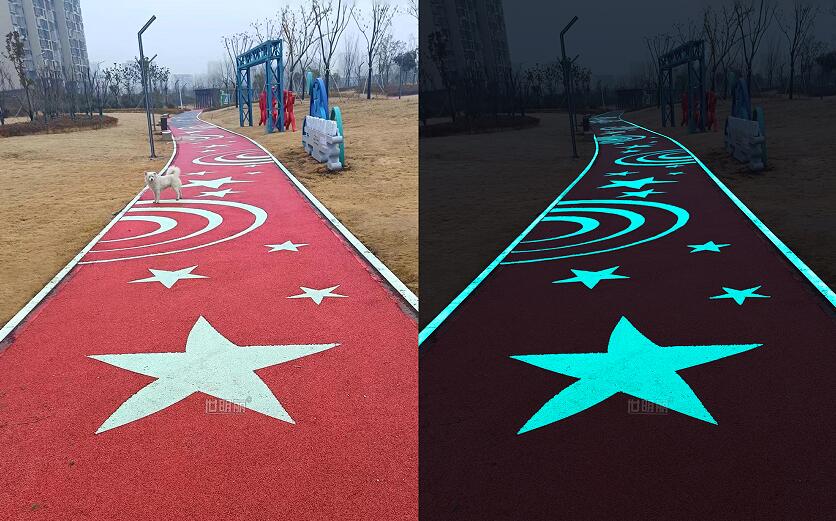
Cultural tourism & rural development: Upgrade supporting facilities for night tour economy, beautiful countryside construction, fitness trails, leisure service stations, ecological corridors and theme parks. Replacing traditional lighting fixtures with autonomously glowing signs optimizes landscape effects, cuts electricity consumption and facilitates regional power allocation planning.
Special engineering projects: Install warning and guidance markers along inspection routes of water conservancy dykes and dams, auxiliary facilities for civil air defense & fire protection, and emergency systems for military tunnels. They break the reliance of conventional signage on external power supply and improve emergency safety supporting systems for engineering projects.
High-risk operation sites: Mounted around hazardous equipment and special working areas to provide round-the-clock hazard warning and patrol route guidance, elevating safety management standards for high-risk premises.
Cultural publicity carriers: Serve as signage media for night tour navigation, local industrial culture, celebrity popular science, fitness promotion and spiritual civilization construction, ensuring clear visibility day and night.
Road traffic layout: Laid along rural roads, winding mountain highways and scenic ring roads. Their long-lasting luminescence improves nighttime route guidance and safeguards the travel safety of pedestrians and non-motor vehicles after dark.
To summarize:
Inorganic self-luminous signs feature ultra-long luminescence, excellent weather resistance and durability, and are applicable to all scenarios;
Class B1 flame-retardant organic self-luminous coils fit indoor projects and meet fire protection requirements for luminous duration;
Organic photoluminescent films come with low cost yet limited glowing time and insufficient fireproof performance.
Project parties shall select appropriate materials according to service environment, fire protection codes and expected service life. This practice can not only satisfy mandatory evacuation guidance requirements, but also reduce follow-up operation and maintenance expenditure, maximizing the practical value of photoluminescent evacuation indicators.